There is a version of this idea that floats around constantly, especially among people who have spent years paying Dublin rents and watching their money vanish every month. Move west. Get a house with a bit of land. Breathe out. It will be cheaper.
Sometimes it is. But often, genuinely, it is not. And I think the people who are surprised by this have usually underestimated a few things that quietly cost a lot.
The car is not optional
In Dublin you might get away with one car, or none. On the west coast you almost certainly need two. The nearest GP could be twenty minutes away. The nearest hospital further again. The supermarket that actually has a decent range of fresh food might be a forty-minute round trip, and you are doing it several times a week. Diesel and petrol costs add up to something that would shock most people if they actually tracked it. And then there is the wear on the vehicle itself. Atlantic roads are hard on tyres, brakes and suspension in a way that urban roads, for all their potholes, simply are not.
Running an older property costs more than people expect
Property prices in rural Connaught and Munster look appealing on paper. But a lot of what is available at those prices needs serious work. If you are thinking about buying a stone cottage in Connemara, the romance of it is real but so is the damp, the insulation deficit and the heating bill. Oil-fired central heating is still the norm in much of rural Ireland, and filling the tank costs far more than it used to. Retrofitting is possible, and the SEAI grant scheme helps, but it is still a significant upfront cost and the process takes time and patience. The running costs on an exposed seaside property, between heating, maintenance and the general battering everything takes from salt air and Atlantic gales, are not small. An honest autumn maintenance checklist for a seaside home is a longer and more expensive document than most first-time buyers anticipate.
Services cost more when there are fewer of them
Tradespeople in rural areas often charge a call-out fee before they start, because they are driving an hour to reach you. Broadband, where it exists at all, can cost more for slower speeds. Deliveries sometimes attract surcharges for addresses outside the main towns. Childcare, when available, can be more expensive per place because the facilities are smaller and the overheads per child are higher. None of these things are the west of Ireland's fault. It is just the economics of low-density, dispersed living.
The lifestyle dividend is real, just not financial
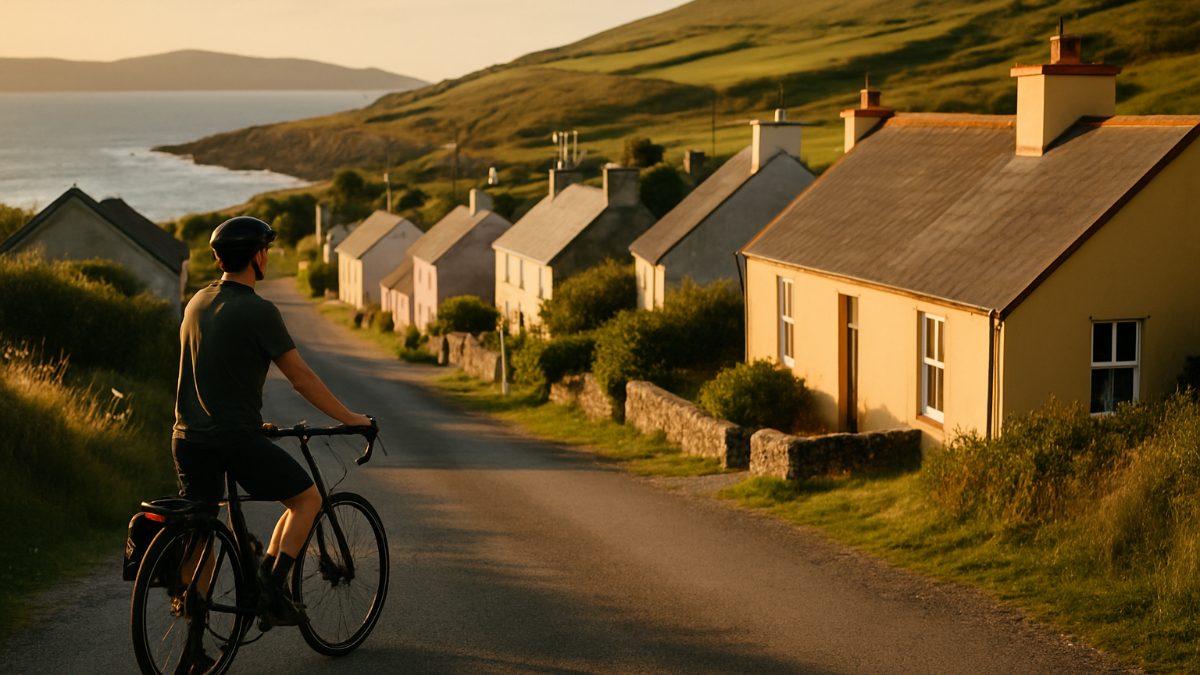
None of this means moving west is a bad decision. For a lot of people it is the best decision they have made. The quality of life, the space, the air, the ability to get on a bike and be somewhere genuinely beautiful within minutes, that stuff is real and it matters enormously. But it is not a financial saving. It is a trade. You are giving up certain urban conveniences and accepting certain rural costs in exchange for something harder to put a number on.
If you are doing the sums before a move, do them honestly. Include two cars, a heating budget that reflects an older or exposed building, and a maintenance fund you actually expect to use. The west is worth it for plenty of reasons. Saving money is rarely one of them.